
Pocket-sized casualty extraction stretcher
Pocket LitterBridging the gap from injury site to evacuation.
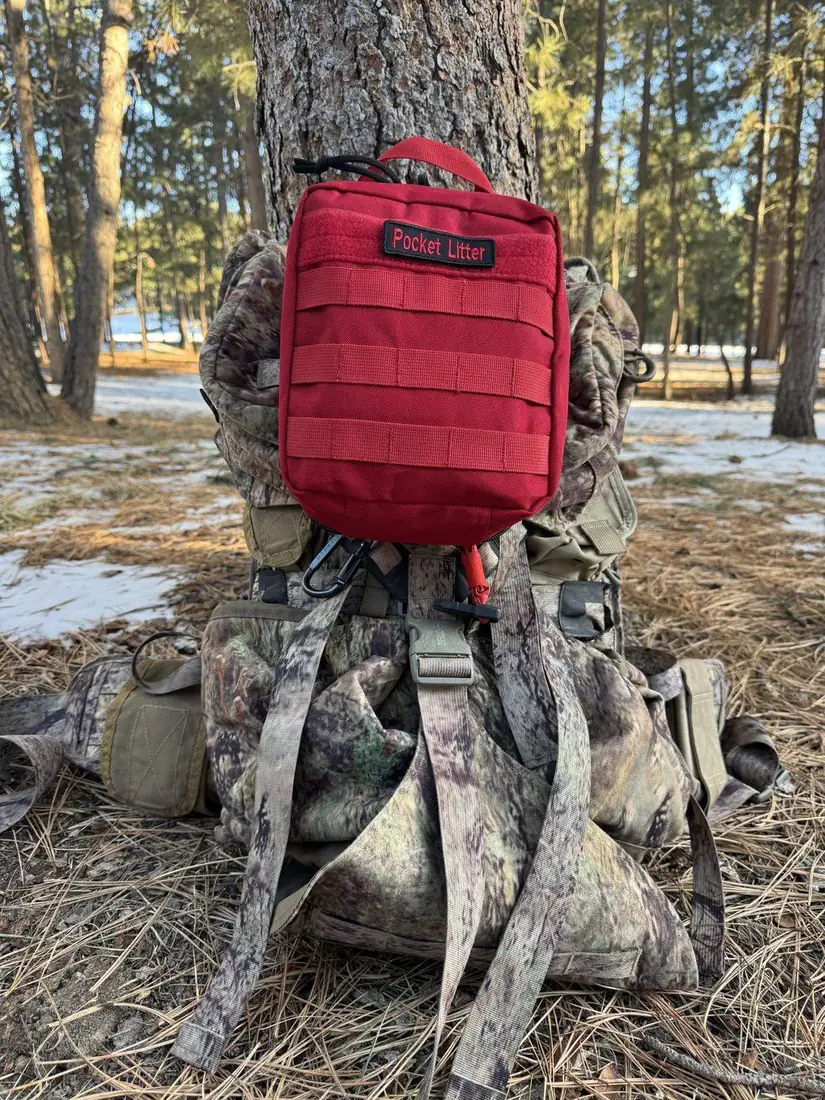
Full litters get left at the vehicle, the rally point or the trailhead. The Pocket Litter rides in a cargo pocket at 2.5 lb, deploys in under 10 seconds and lets one rescuer move a casualty who can't walk out of the danger area. Designed by a retired Green Beret.

The gap
The stretcher is never where the casualty is
Stretchers save lives. They are also heavy and bulky, so nobody carries one "just in case." They get cached at the rally point, strapped to the truck or left at the trailhead.
That leaves the first minutes after an injury to whatever is on hand: a drag by the arms, a grab of the collar, a tarp that tears and gives the spine no support. Those minutes happen in the worst place, in the open, in a trench, on scree, in a stairwell.
The Pocket Litter is built for those minutes. It gets a casualty who can't walk off the X and to the place where the full litter, the vehicle or the helicopter can take over.
How it works
Pocket to moving in four steps
- DeployPull it from the bag, extend it and lock the support in place. Under 10 seconds.
- SecureRoll the casualty on and strap in. The stiffeners and central hub support the spine and torso.
- MoveOne rescuer drags or carries. Two to ten rescuers can carry. The smooth underside slides over dirt, snow, scree and stairs.
- Hand offReach the casualty collection point, vehicle, landing zone or trailhead, where a full litter or medical team takes over.
More footage, including the 400 lb test and the Disaster Expo cold demo, on the demonstrations page.
Who carries it
Built for the people who go in first
Medics and operators
A stretcher that stays on the operator instead of back at the vehicle. Moves a casualty from the point of injury to the CCP.
For military teams →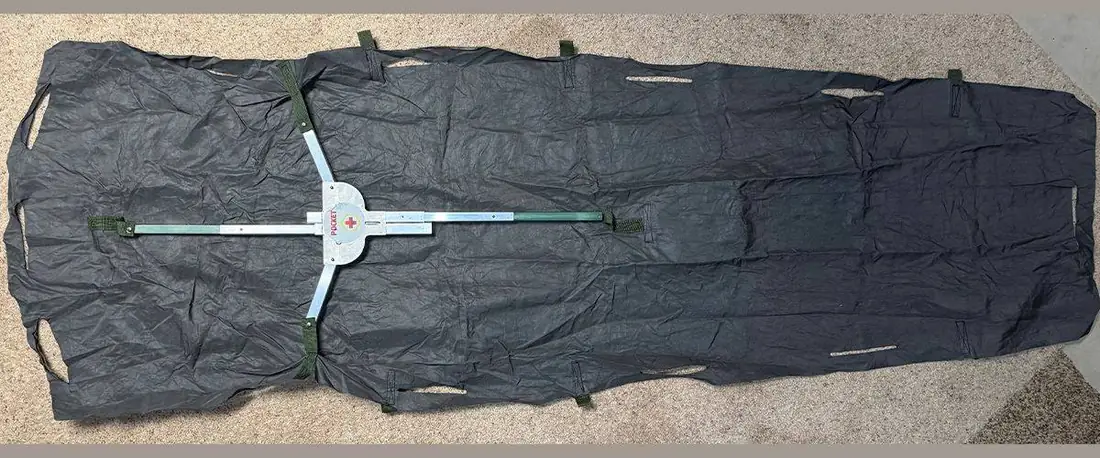
SAR teams and ski patrol
The bridge from injury site to the full litter. Narrow passages, talus, snow and stairs.
For SAR teams →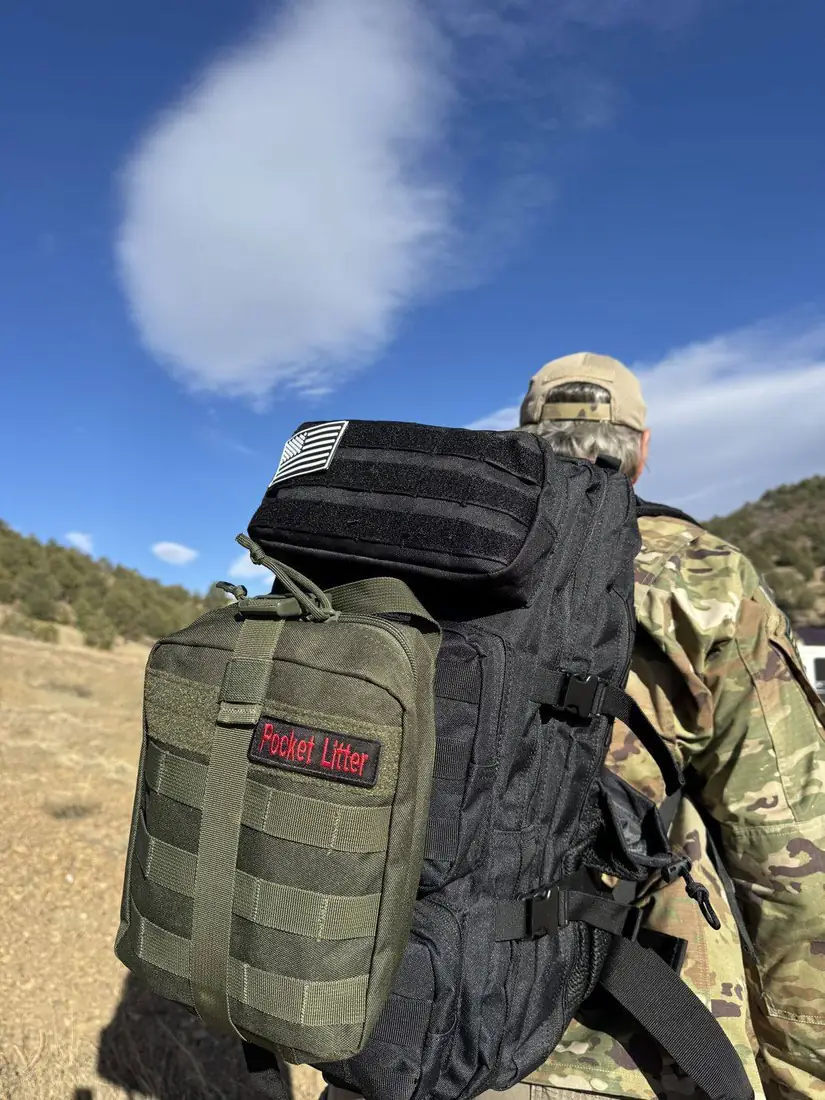
Hikers and hunters
Your partner rolls an ankle eight miles from the truck. Now what? This goes in the pack for that day.
For the backcountry →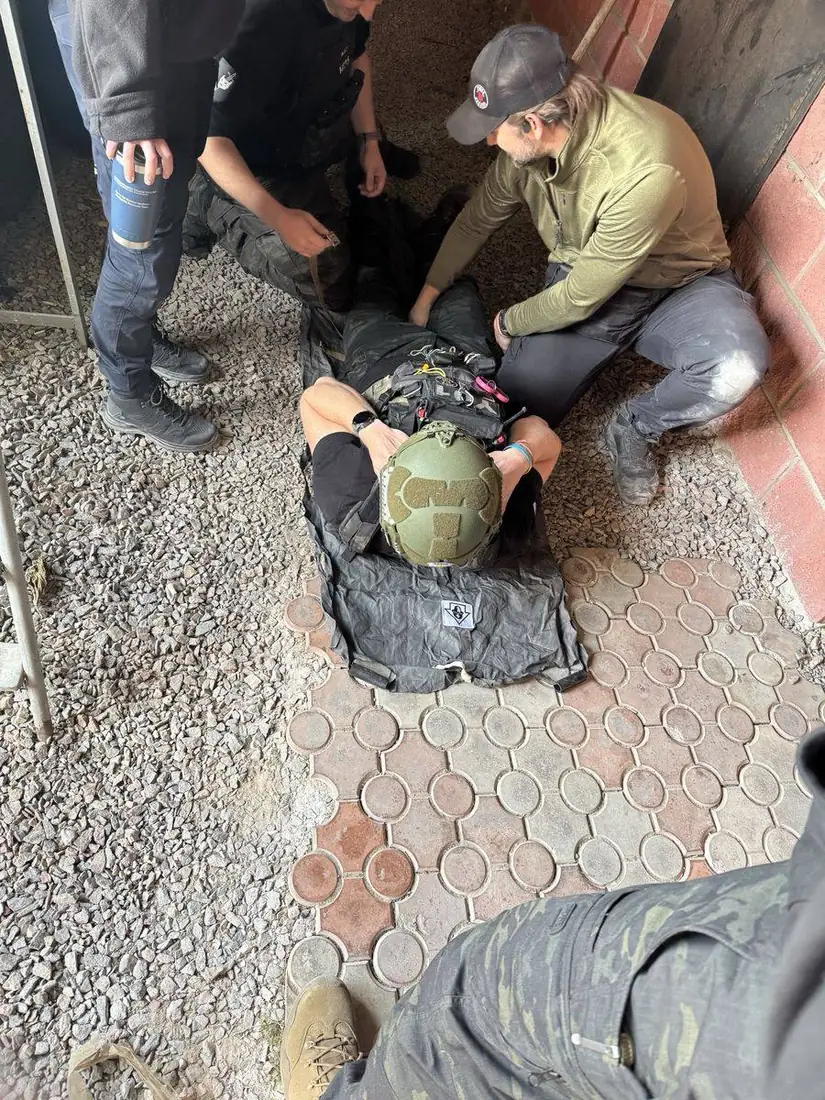
In the field
Used in Ukraine. Tested to 400 lb.
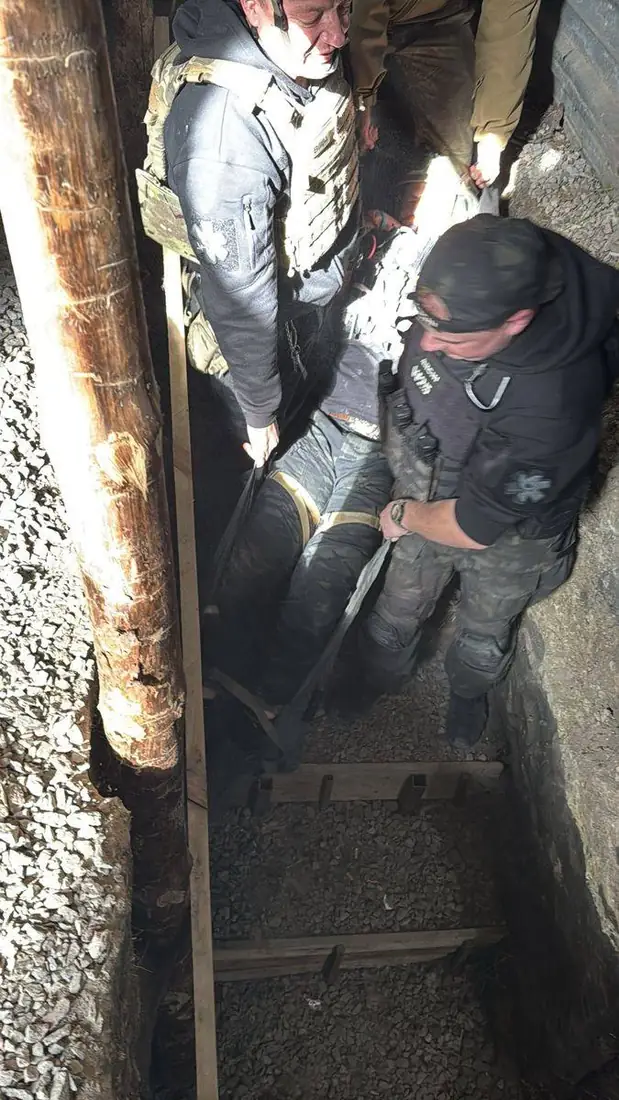
The Pocket Litter has been used to move casualties through the kind of terrain full litters hate: narrow trenches, tight corners and broken ground. It is load tested to 400 lb with a casualty in full kit.
Designed by a Green Beret
Built by someone who needed one
Otis McGregor spent 25 years in the U.S. Army and retired as a Special Forces Lieutenant Colonel. In special operations the stretcher is critical, and it is usually cached at the rally point or back at the vehicle, not on the operator who needs it. The Pocket Litter is his answer to that problem.

Quick answers
Pocket Litter FAQ
What is the Pocket Litter?
The Pocket Litter is a patented emergency extraction stretcher that folds to 6 × 9.25 × 1.75 in and weighs 2.5 lb. It lets one rescuer drag or carry, or two to ten rescuers carry, a casualty who can't walk from the point of injury to a safer place where a full litter or medical team can take over.
How much does the Pocket Litter weigh?
2.5 lb, and 3 lb in its MOLLE carry bag. That is about the weight of a full 1-liter water bottle, light enough to carry every day instead of leaving it in the truck.
Can one person use it?
Yes. It is built so a single rescuer can drag a casualty out of the immediate danger area. With more hands it converts to a carry for 2 to 10 rescuers. It is not a self-rescue device: someone other than the casualty has to move it.
Does it replace a full litter or SKED?
No. It covers the first leg, from the injury site to a casualty collection point, vehicle, landing zone or trailhead. For long carries, technical rope work or vertical rescue, hand off to a full litter. See how the main rescue litter types compare.
How much does the Pocket Litter cost and where can I buy it?
The Pocket Litter is $540, shipping included within the continental US. Buy now with secure checkout, request an invoice or quote, or buy from an authorized reseller: Vitac Solutions or SupplyCore. Units and agencies can pay by government purchase order or Government Purchase Card. See where to buy.
Carry it. Deploy it.
The stretcher that never gets left behind.